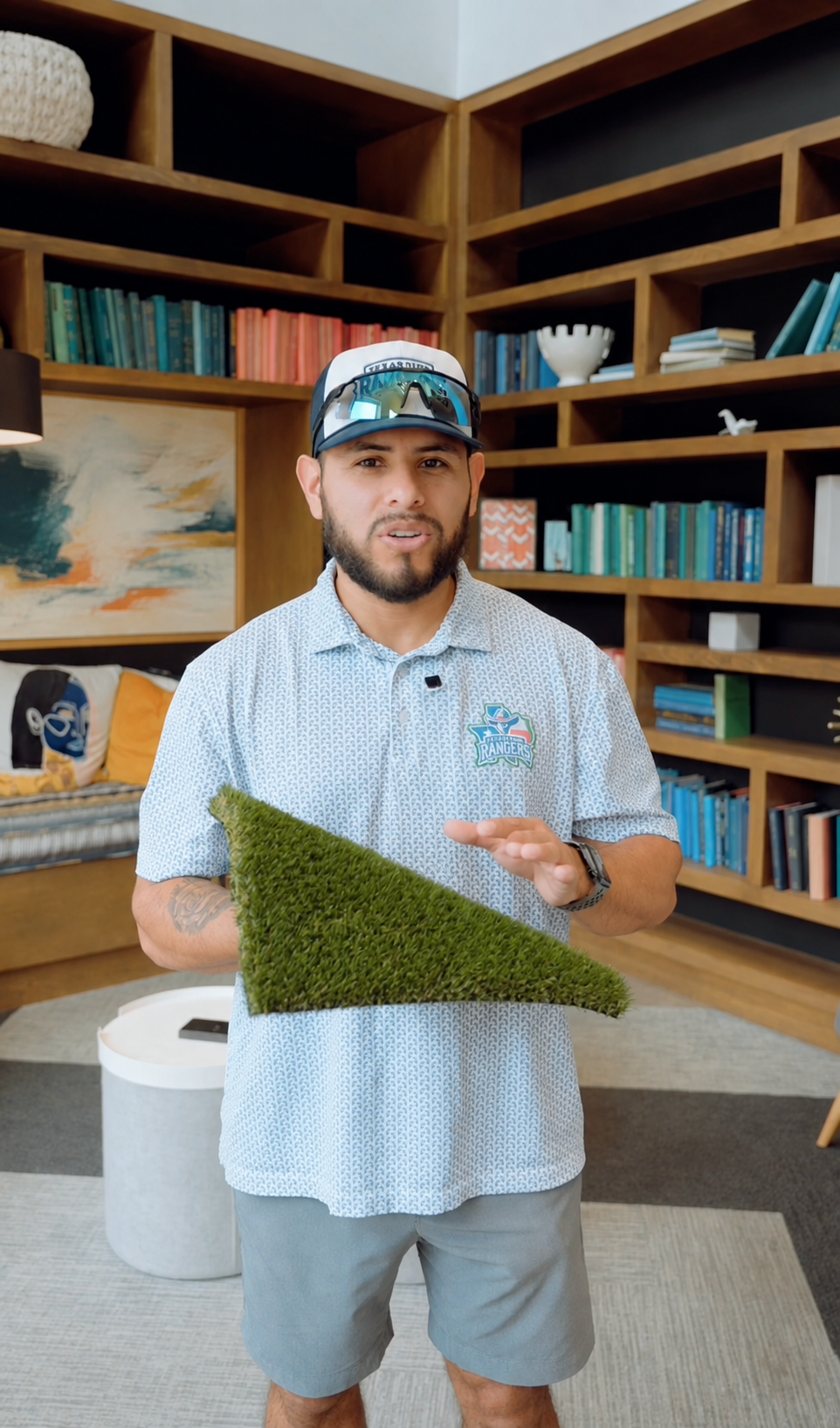
The cost of artificial turf installation depends on the size of the area, turf selected, site preparation, drainage needs, and overall project complexity. In the Dallas–Fort Worth area, professional installations commonly fall around $8–$15 per square foot, although every property is different. Texas Turf Rangers can provide a customized estimate based on your space and project goals.
About Us
At Texas Turf Rangers, we go beyond installation we set new standards. With a legacy of excellence, every project showcases our dedication to precision, quality, and craftsmanship. Here’s how we bring your vision to life.
Quality First
We use only the best materials and techniques.
Customer Centric
Your satisfaction is our priority.
Sustainability
Helping the environment, one lawn at a time.
Integrity
Honest pricing and reliable service.
Our Story
Our Story
At Texas Turf Rangers, we believe every space deserves beauty and practicality. With over 8 years of experience, we are a local company specializing in premium artificial turf installation for residential and commercial properties.
Mission
To provide exceptional artificial turf installation services that create personalized outdoor sanctuaries while setting a benchmark for customer satisfaction.
Vision
Texas Turf Rangers envisions becoming the top artificial turf installation service in the DFW area. We aim to expand our reputation, delivering top- quality installations and customer experience.
To speak with an artificial turf design & installation expert please give us a call.
We’d be honored to bring your turf project to life using premium materials and a work ethic forged through service.
Our Team
Our team is committed to delivering high-quality, long-lasting turf solutions designed to withstand the Texas climate while providing a beautiful, low-maintenance landscape year-round.
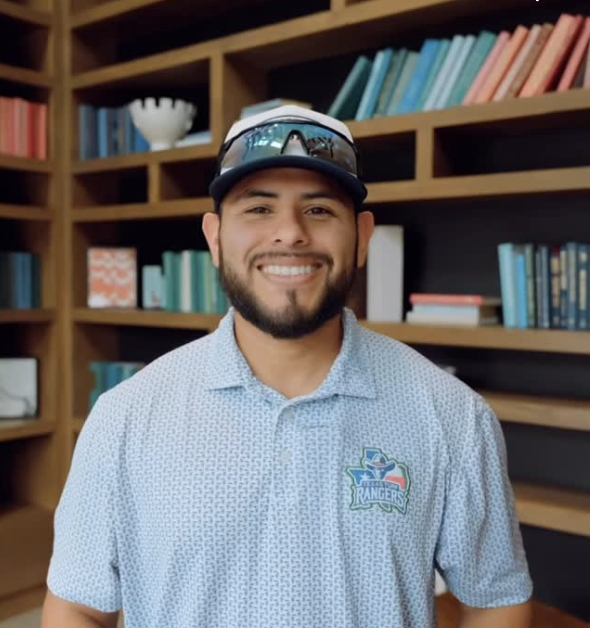
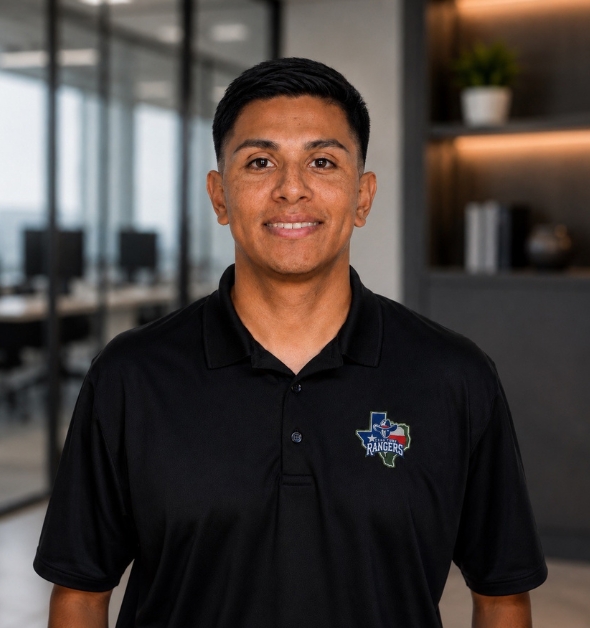
Moises Salinas
Owner
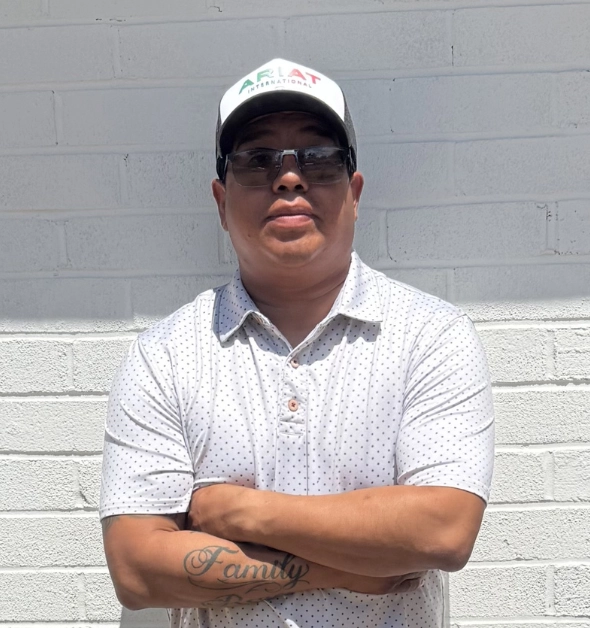
Marino Cervantes
Sales Representative
Cecilio Reyes
Project Manager
Get A Free Quote
We’d be honored to bring your turf project to life using premium materials and a work ethic forged through service.
Everything you need to know
Got questions about turf installation in Dallas and Fort Worth? You’re not alone. Here are answers to the top questions we get from homeowners and businesses looking to make the switch to artificial grass.
Is Artificial Grass Safe for Pets and Kids?
Yes. Quality artificial turf can provide a soft, durable surface for families with children and pets. Pet-friendly turf systems can also incorporate highly permeable backing and specialized infill to improve drainage and help control odors. As with other outdoor surfaces, turf can become hot in direct Texas summer sun, so surface temperature should be checked before children or pets play on it during especially hot conditions.
How Long Does Turf Installation Take?
Most residential artificial turf installations can be completed within 1–3 days, depending on the size and complexity of the project. Larger properties, extensive grading, drainage improvements, putting greens, or other custom features may require additional time.
How Long Does Artificial Turf Last in Texas?
High-quality artificial turf can typically last 15–20 years or longer when properly installed and maintained. Choosing UV-resistant turf and creating a properly prepared base are especially important in North Texas, where intense sunlight, heat, heavy rain, and changing soil conditions can put additional stress on an installation.
Does Artificial Turf Drain Well During Heavy Texas Rain?
Yes. Artificial turf is designed to allow water to drain through the surface rather than collect on top. Proper grading and base preparation are especially important in North Texas, where clay-heavy soils and heavy thunderstorms can create drainage challenges. A professionally installed system helps move water away efficiently and reduces muddy or standing-water areas.
Does Artificial Turf Get Hot in the Texas Summer?
Artificial turf can become hot when exposed to direct sunlight, just like pavement, concrete, and other outdoor surfaces. Turf selection, infill, shade, and other cooling strategies can help manage surface temperatures. On extremely hot North Texas afternoons, homeowners should still check the surface before allowing pets or children to play barefoot.
How Much Maintenance Does Artificial Turf Require?
Artificial turf requires significantly less routine maintenance than natural grass because there’s no mowing, fertilizing, or regular watering. Occasional rinsing, removing leaves and debris, brushing high-traffic areas, and cleaning up after pets can help keep the turf looking and performing its best for years.
Can Artificial Turf Be Installed for Dogs and Other Pets?
Yes. Artificial turf is a popular option for dog runs, backyards, and other pet areas because it eliminates muddy patches and worn-out grass. Pet-specific installations can use enhanced drainage and odor-control infill to make cleanup easier and keep the area more comfortable for everyday use.
Service Areas
- Fort Worth
- Weatherford
- Aledo
- Benbrook
- Red Oak
- Granbury
- Prosper
- Parker County
- Tarrant County
- Hood County
- Dallas
- Frisco
- Plano
- Austin